The year 2025 presented a cocktail of challenges unseen in many years – from US tariffs and skyrocketing cost of gold to geopolitical tensions. Waning market demand and margins, especially in the diamond industry, have also burdened many in the trade.
A month into 2026, gem and jewellery industry players take stock of the year that was and what lies ahead, with a focus on new areas of growth, innovation and narrative-driven business strategies.
Ongoing instability
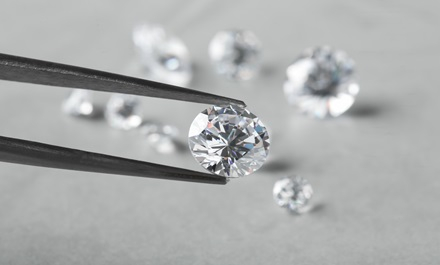
Oversupply of goods continues to put pressure on the diamond supply chain, resulting in mine closures, according to Yoram Dvash, president of the World Federation of Diamond Bourses (WFDB).
“This is the first time in many years that mines are closing due to prolonged weak demand for natural diamonds,” explained Dvash. “There has been a dramatic decline in profitability and manufacturing activity, and most traders are cutting inventories due to low margins.”
Mine closures may eventually reduce supply and ease the situation, but there is clear hesitation to purchase rough diamonds, which could lead to a dip in rough offtake, he added.
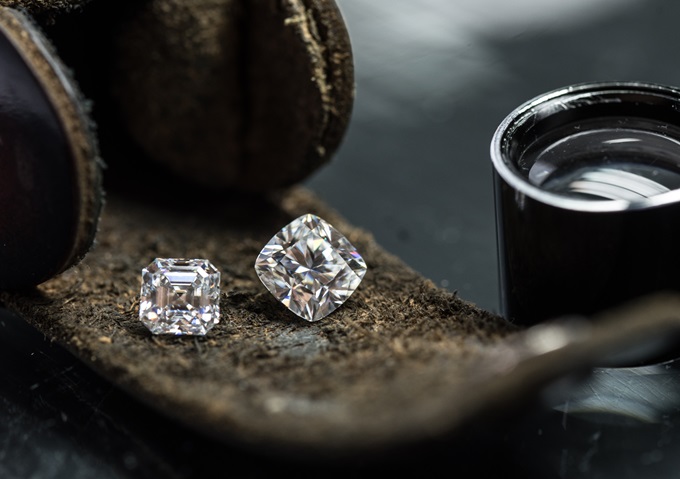
In fact, De Beers is releasing fewer goods per sight on average as its flexible pricing policy continues to support Sightholders. Meanwhile, prices have largely stabilised across the market.
“On the other hand, certain categories are seeing stronger demand due to reduced inventories and lower manufacturing output,” remarked Dvash. “There is notable demand, particularly for fancy shapes of 2 to 4 carats.”
Tariffs
US tariffs have had a dramatic impact on the industry. According to Dvash, there is currently very limited flow of polished diamonds into the US, creating shortage in sought-after items.
Meanwhile, there is an increase in manufacturing activity in Belgium due to its zero-tariff advantage.
“It is difficult to predict exact trends for 2026. Overall, however, natural diamonds continue to see relatively strong demand, especially 2- to 5-carat stones. Demand for diamonds below 2 carats is weaker and far more complex,” noted Dvash.
Damien Cody, president of the International Colored Gemstone Association (ICA), said the tariffs negatively affected coloured gem exports to the US but shipments could improve in 2026 as existing inventories in America are exhausted.
He stated that the US government had declared all coloured gemstones will be classified under “Annex 3,” which covers goods the US cannot mine or produce naturally. As a result, these gems will be exempt from tariffs, provided the source country has established a bilateral trade agreement with the US.
He further emphasised ICA’s support for initiatives aimed at ensuring gemstones are either tariff-free or fall under Annex 3 provisions.
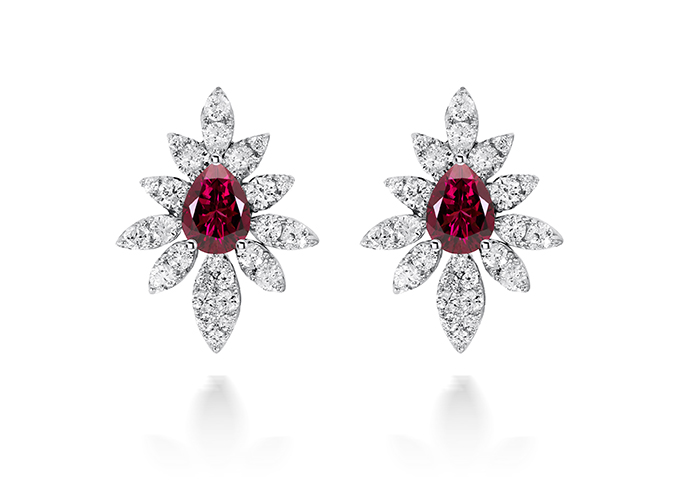
The coloured gem industry is showing signs of optimism for 2026. Potential recovery in major economies could drive demand for luxury goods, including coloured gemstones. While progress may be slow, improved consumer confidence could lead to improved sales. Industry leaders remain hopeful that global stability and reduced trade conflicts will create a favourable environment for growth, added Cody.
Diversification and innovation
Pearl companies remained resilient and innovative amid shifting global conditions, counting on growing market appetite for the gem to sustain the business.
According to Philippines-based Jewelmer, demand for pearls remained solid, especially within Asia. “Deeper appreciation for South Sea pearls supported growth while rising awareness of regenerative practices and ethical sourcing elevated the value for pearls, shaping their relevance and resonance within today’s landscape,” the company said.
Moving forward, the pearl trade is poised to sustain its upward trajectory. Jewelmer said its fine jewellery pieces featuring South Sea pearls of exceptional size and lustre are expected to enjoy robust demand in key markets in Asia, particularly China and Japan, alongside emerging markets across Southeast Asia.
Diversifying Jewelmer’s market reach is also critical. “While the US remains an important market, tariffs and other duties emphasise the value of expanding into new regions. There is strong potential for new consumer bases, with growing global appreciation for high-quality pearls and fine jewellery,” the company said.
Consumer education on the value of South Sea pearls alongside investments in marketing initiatives and brand storytelling are top priorities for Jewelmer. And so is navigating challenges such as unpredictable environmental conditions, supply chain hurdles at the pearl farms and rising gold prices.
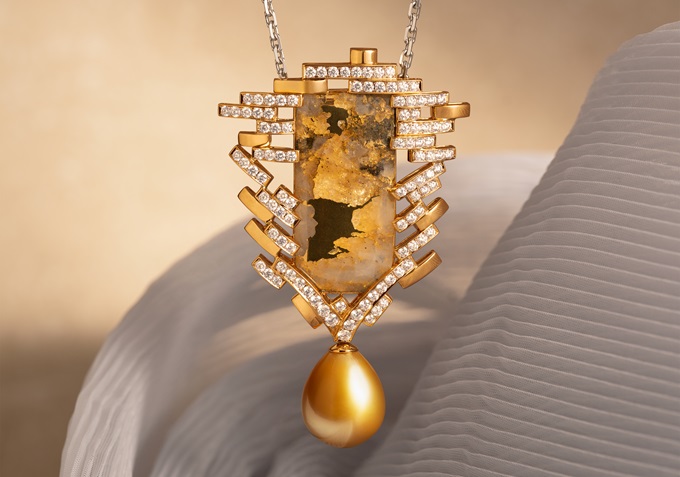
Golden South Sea pearl necklace with diamonds by Jewelmer
Overall, golden South Sea pearls are experiencing a steady uptrend, driven by stable demand and limited supply. “While commercial-quality pearls may see periods of price stabilisation due to broader availability, the overall outlook points to gradual growth as appreciation for rare, high-quality pearls continues to rise,” said Jewelmer.
As with other sectors in the trade, Thailand’s coloured gemstone industry is navigating structural challenges that are reshaping its competitive landscape.
Sumed Prasongpongchai, director general of The Gem and Jewelry Institute of Thailand (Public Organization), said these include tighter supply of high-quality natural rough, the rise of lower-cost producers and increasingly stringent expectations from consumers and global brands regarding transparency, traceability and sustainability.
At the same time, advanced gemstone treatments, coupled with volatile global markets – from logistics disruptions to geopolitical tensions and shifting trade policies – are placing additional pressure on Thai businesses to uphold credibility, quality and internationally recognised standards.
Despite these headwinds, strong growth opportunities remain, noted Prasongpongchai. The global shift toward narrative-driven jewellery, rising demand for rare and origin-specific gemstones and the expansion of premium consumer segments, particularly in Asia, continue to support long-term market potential.
Thailand’s renowned craftsmanship and cutting expertise also provide a solid foundation for value creation and brand differentiation on the world stage.
“By strengthening innovation, design capabilities and transparency practices aligned with new-generation consumer expectations, Thailand’s coloured gemstone sector is well-positioned to maintain its leadership and expand its role within the global gem and jewellery value chain,” he added.
Spotlight on gold, coloured gems
Sustained global demand for gold jewellery will bode well for jewellery manufacturing and exporting countries like Türkiye. According to Sirzat Akbulak, manager of Jewellery Exporters Association of Türkiye, the country is targeting jewellery exports of US$9 billion to US$10 billion in 2026, driven by sturdy demand for gold and a favourable geopolitical outlook. He said gold jewellery will continue to be the main driver of exports in 2026. Türkiye shipped approximately US$9 billion in jewellery exports in 2025.
The Gulf region remains its primary export market, with US$2.7 billion of shipments to the United Arab Emirates in 2025, followed by Hong Kong at US$609 million.
Despite exports to the US falling to US$339 million in 2025 from US$612 million in 2024 due to tariffs, Akbulak said exports to the American market could exceed US$1 billion in 2026 if stronger commercial cooperation can be achieved and Türkiye secures a favourable differentiation in tariff policies.
“Geopolitical developments in 2026 are increasingly shifting in Türkiye’s favour, a trend that is expected to positively impact not only the country’s economic outlook but also broader regional stability,” said Akbulak.
Investment-driven demand will continue to play a significant role in gold jewellery consumption while the “accessible luxury” segment, low-karat or lightweight gold jewellery as well as silver jewellery could emerge as important trends, he added.
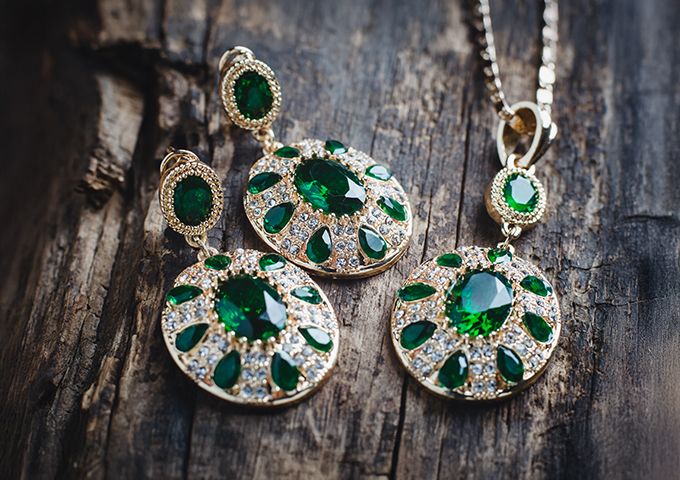
Amid record-breaking gold prices, Akbulak said manufacturers must maintain market visibility and customer engagement. “We tell our members to avoid losing customers,” he continued. “This period is temporary, but customers are permanent. Customer visits, participation in trade fairs and marketing activities should continue.”
Tommy Lee, chairman of Hong Kong Jewelry Manufacturers’ Association (HKJMA), said he is anticipating a year of “gradual normalisation” in 2026, adding that Hong Kong continues to focus on high-value jewellery designs, prototyping and finishing.
“In 2026, fine gold jewellery and heritage gold pieces are expected to remain resilient, particularly in mainland China and the Middle East. Pearls and jade will continue to benefit from Hong Kong’s status as a hub and its certification expertise,” added Lee.
Ongoing challenges such as higher input costs, currency fluctuations, complex compliance requirements, uneven demand cycles and persistent pressures from US tariffs require constant innovation such as advanced AI-assisted design and virtual sampling.
These have accelerated development cycles and improved alignment with buyers. Automation also boosted efficiency in repetitive processes, while sustainability and traceability measures enhanced competitiveness in regulated markets.
Lee said continued resilience hinges on optimised synergy between Hong Kong’s craftsmanship capabilities and mainland China production, managing costs efficiently, prioritising speed-to-market (how fast a company develops and launches a product), as well as enhancing compliance and traceability frameworks.
China’s jewellery sector is poised for a promising 2026, bolstered by government initiatives aimed at stimulating consumption in key economic hubs like the Greater Bay Area, the Yangtze River Delta Area, the Beijing-Tianjin region and the Chengdu-Chongqing economic zone, according to Simon Chan, CEO of the China Gems and Jade Exchange.
He cited a significant structural shift in jewellery consumption, where natural diamonds face sustained pressure from lab-grown diamonds, while coloured gemstones, jade and organic gems are capturing a larger share of the market.
“We are witnessing a trend where the younger generation is increasingly choosing coloured gems as centre stones for bridal jewellery, with diamond accents, reflecting Gen Z's inclination towards personalisation and individuality,” said Chan.
Consumer preferences also exhibit clear distinctions. Mainstream consumers are gravitating toward accessible organic gems such as pearls and ambers for daily wear. Meanwhile, high-end consumers continue to focus on premium jadeite and coloured gemstones for investment purposes.
“While global trade faces challenges due to geopolitical uncertainties, the primary growth prospects for the domestic jewellery sector in 2026 are firmly rooted in China," Chan explained.
Initiatives such as the establishment of the Shanghai International Jewelry Fashion Functional Zone in the Huangpu district in 2025 have fostered a favourable business environment, while the Shanghai Eastern Hub International Business Cooperation Zone (IBCZ) is facilitating trade activities for foreign entities.