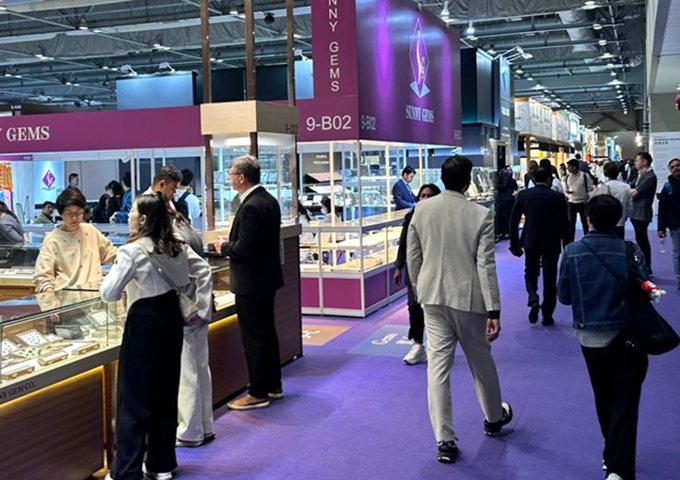
Coloured gemstone dealers at the ongoing Hong Kong International Diamond, Gem and Pearl Show are seeing more green shoots this year. They are, however, keeping a wary eye on the recent escalation of the Middle East conflict, which could very well disrupt possible gains.
Patumna Boonsirirutchoke, export officer of corundum specialist World Gemstone Co Ltd, said the year had started well with stronger demand from India and Japan. The Middle East war, which came to a head on Saturday, February 28, however cast a pall on prospects this year.
“Once again there is tremendous uncertainty in the world. Not only will this conflict disrupt supply chains and logistics, it also affects major trade markets that many companies had been banking on for growth,” she noted.
Aditya Tank, partner at Tank Fine Gems, agreed, saying that the conflict had severe direct implications for the trade given that the Middle East is now a hub for both consumption and supply.
“It is truly unprecedented how uncertain the business has become, from supply constraints and changing consumer trends to geopolitical tensions,” Aditya said. “We can only wait and see how these conflicts pan out.”
According to the company official, the high-end segment of the market remains largely robust, with competition lying in the supply side rather than demand. He is hoping to grow the company’s customer base beyond luxury jewellery brands by collaborating with more independent designers who are pushing the boundaries of design and possibilities.
Kavi Agarwal, director of Iskkon, is likewise taking a wait-and-see attitude towards current tensions. “We are a market that depends on disposable income. In uncertain times, people tend to hold on to their money. We need to see how this will eventually impact the business,” he said.
The past year had been promising, he disclosed. Demand has been strong from Russian and Indian buyers for the company’s high-end unheated rubies. China, which used to favour those gems, has now shifted to calibrated sizes as well as gemstones such as tourmaline, citrine, amethyst, morganite and rubellite.
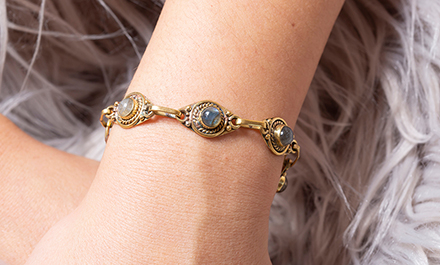
“Given high gold prices, jewellers are using more coloured gemstones, with bead bracelets being particularly sought after in China,” Agarwal explained.
The market has evolved due to high gold prices and the overall volatility in the business environment, he continued. People are only stocking goods that they perceive as true and worthwhile investments. Buyers have become better informed about coloured gemstones and now seek quality. Higher-end goods are thus doing well and commanding better prices.
“We have been dealing with two to three years of political and financial volatility. Things can only get better – coloured gemstones are winning over more markets and this will work in our favour,” Agarwal said.