China's jewellery market is experiencing a significant transformation. Amid global economic headwinds and domestic policy changes, the industry is recalibrating its strategies – banking on innovation, transparency and cultural resonance to engage modern consumers.
This article first appeared in the JNA March 2026 issue.
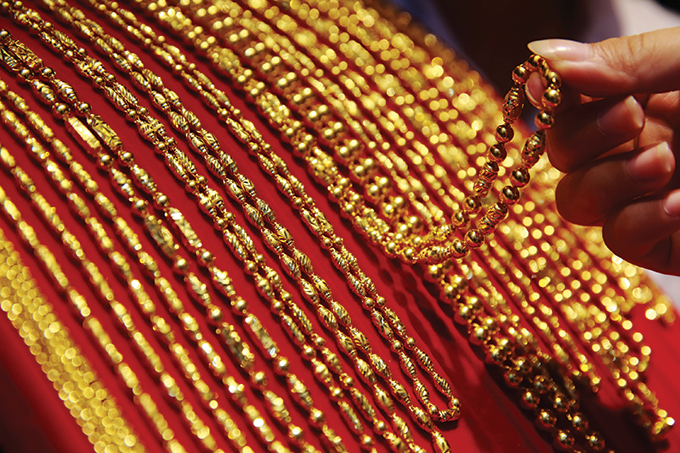
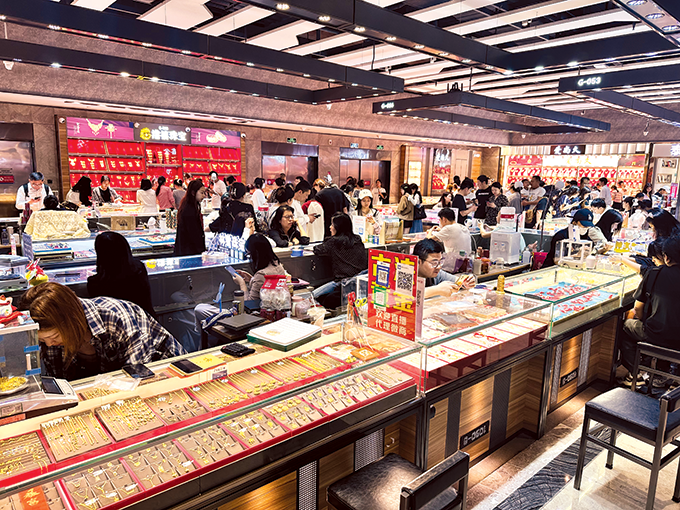
Amid soaring gold prices and more cautious consumer spending, China saw sluggish demand for jewellery in 2025. Indeed, China’s jewellery market is transforming as today’s jewellery consumers view their purchases with a fresh perspective – prioritising emotional connection, everyday wearability and personal taste.
The industry is at a critical juncture, pivoting from expansion-driven growth to a more quality-oriented approach, according to industry experts. Key players are focusing on creating value through innovative designs, compelling narratives and enhanced services.
Value-based spending
The year 2025 was a weak one for Chinese gold jewellery demand due to rising gold prices and muted spending – shaped by domestic economic uncertainty and heightened geopolitical tensions, according to the World Gold Council’s (WGC) Gold Demand Trends report.
The report also showed a sharp deviation between volume and value measures of gold jewellery demand during the year in review.
Demand plummeted to its lowest volume in over 15 years in the fourth quarter of 2025, with value-added tax reform, a vapid economy and a late Lunar New Year compounding the impact of record-high gold prices. Collective annual spending on gold jewellery, however, reached US$39 billion, up 8 per cent year on year – the second highest on record behind the US$43 billion from 2013.
“Consumers did not stop buying gold jewellery amid high gold prices,” said Sharon Weng, deputy branding director of Yuehao Jewelry Co Ltd. “The younger generation still recognises gold’s investment value, but they expect more in terms of aesthetics, self-expression and emotional resonance.”
With price competition fading, future growth will rely on creating product value with exquisite designs and craftsmanship, conveying cultural significance as well as building trust through professional services, added Weng.
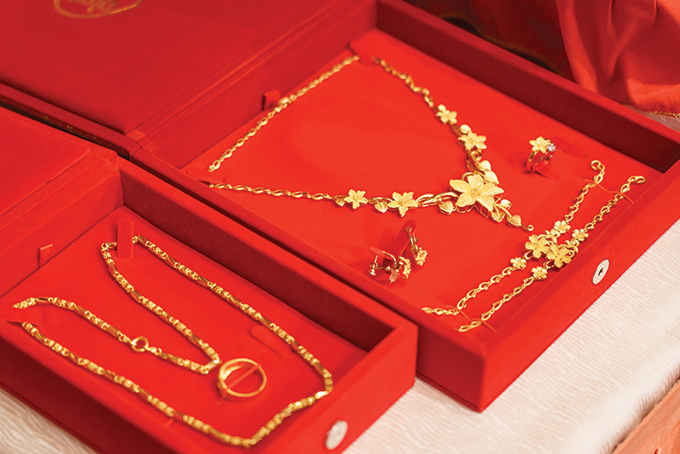
Jiang Hua, director of Industrial Strategy at the Gem and Jewelry Trade Association of China (GAC), highlighted steadily growing demand for high-end pieces, including heritage gold and bespoke fine jewellery. Meanwhile, the fast-moving jewellery segment – characterised by lightweight pieces, lower average transaction values, new designs and frequent purchases – witnessed robust consumption and growth momentum.
Market reforms
Chinese jewellers likewise adjusted business strategies, with a focus on innovation, noted Jiang.
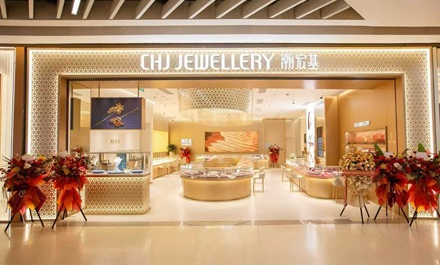
Major retailers optimised their store networks by reducing the number of outlets, closing underperforming stores to concentrate on profitability per square metre and streamlining management, aiming for more sustainable and stable operations.
This reflected a broader structural change, from pursuing quantitative growth to implementing an approach that is centred on quality and efficiency.
Meanwhile, a value-added tax (VAT) policy change for gold, platinum and diamond products introduced in the fourth quarter of 2025 imposed a tax burden on jewellery sales, fundamentally reshaping market dynamics. While WGC said the policy change discouraged demand and promoted a shift towards gold investment items, Jiang of GAC noted the policy’s long-term positive impact.
“This tax adjustment will foster a more standardised, fair, transparent and competitive environment for the gold jewellery market,” Jiang emphasised. These policies will lead to clearer distinctions between investment products and jewellery pieces, prompting a restructuring of the supply chain, with trade exchange members (banks and major jewellery brands) gaining increased market influence.
“With the VAT changes, relying on price competition to gain a competitive edge will make enterprises increasingly passive. Manufacturers and retailers must enhance market competitiveness through ‘value creation’ as the core of their business strategy, focusing on product innovation and improved services,” said Jiang.
Product evolution
Evolving consumer demographics driven by generational changes have accelerated product evolutions, with Gen Zs emerging as a significant consumer segment. Their purchasing priorities clearly extend beyond simple material gratification.
“Young consumers seek products infused with technology, environmental consciousness, social responsibility and cultural significance,” Jiang noted. “The jewellery they buy must possess scenario-based applications, personalisation and emotional solace – serving as more than just material possessions. These evolving consumer habits are opening new avenues for growth in the jewellery sector.”
This, in turn, fuelled demand for lightweight, affordable pieces with rapid design updates and increased purchase frequency. A shining example is hard pure gold jewellery, which offers access to younger buyers while maintaining profitability for jewellers.
Meanwhile, collaborations with entities owning intellectual property rights, designs inspired by intangible cultural heritage, modern Chinese aesthetics, and partnerships with lifestyle brands resonate strongly with younger demographics, unlocking unexplored growth opportunities beyond conventional market segments.
Testing and authentication
Consumers likewise place a premium on product authenticity and procedures in place to address quality issues as they arise, according to Meng Xiaojun, chief economist of the National Gemstone Testing Center (NGTC). However, she observed changing perceptions regarding product quality.
The rise of a younger consumer base alongside self-indulgent consumption, and the popularity of "Guochao" style (designs infused with traditional Chinese cultural elements and aesthetics) prompted the market to offer an array of cultural products. Hence, consumers no longer focus solely on authenticity and material quality.
“Consumers now care more about product design, cultural relevance, craftsmanship and technological innovation, resulting in heightened demand for jewellery testing,” said Meng.
They are also demanding higher levels of artistry while paying greater attention to standardisation of craftsmanship and intellectual property protection.
With material and technological advancements bolstering jewellery manufacturing innovation, NGTC expanded its scope from raw material research and standards to establishing more comprehensive craftsmanship standards.
“Today, jewellery testing must extend beyond traditional material certification standards to include traceability throughout the supply chain – a critical concern of consumers. This involves tracing the origins of raw materials,” Meng added.
To address transparency challenges, NGTC introduced its “Gold Jewellery Traceability Digital Solution" in November 2025, which integrates anti-counterfeiting authentication, process optimisation and asset digitalisation.
“This initiative tackles the industry's trust issues and enhances transparency in product information,” Meng explained. Each jewellery piece is assigned a unique digital identity through the "Baoyuan Code" – a blockchain-based digital certificate that securely records its journey throughout the supply chain, acting as a digital passport. By tracking the information, full visibility is achieved across production and distribution networks.
The solution has demonstrated commercial viability, with over 1.85 million digital certificates issued in collaboration with Chow Tai Fook Jewellery Group.
Strategic priorities
Despite market pressures, the industry’s dedication to innovation has become a strategic imperative. According to GAC data, effective jewellery patents maintained a compound annual growth rate exceeding 3 per cent, ranking first globally in both volume and growth rate.
Also, 2025 saw a notable shift in investment towards fundamental research – focusing on craftsmanship techniques, manufacturing equipment, material performance and digital integration – areas that demand significant capital and extended development timelines.
“Innovation-driven growth has emerged as a critical strategy for most jewellery enterprises,” said GAC’s Jiang. “There is widespread industry consensus that innovation is the primary driving force propelling the jewellery sector towards high-quality advancement."
Jiang believes that digital transformation and the application of artificial intelligence (AI) in the jewellery industry could provide significant strategic opportunities for future development.
“Digital advancements such as virtual try-ons, immersive displays, AI-powered custom design, smart retail and the like will drive the creation of new consumption scenarios and business models within the jewellery industry,” Jiang explained.
Despite various challenges, including the unpredictable global economic landscape and fluctuations in raw material and precious metal prices, China’s jewellery industry’s core strengths, solid jewellery culture, new initiatives and innovations continue to inspire optimism.
“When navigating market shifts, the focus should be on product portfolio planning, store network optimisation, branding enhancement, and investments in digitalisation and omnichannel strategies. These efforts need to be refined and enhanced to align with changes in consumer demographics and market dynamics,” Jiang remarked.