Hong Kong-based Rio Pearl is responding to the market’s call for diversity by leading advances in the cultivation of new pearl variants, jewellery design and strategic marketing.
This article first appeared in Pearl Report 2025-2026.
The pearl market has retained its composure amid ongoing market uncertainties, thanks to the pearl’s transformative nature and the market’s growing preference for multifaceted gems. Case in point is Hong Kong’s Rio Pearl, which witnessed continued stability in pricing and demand since the beginning of 2025.
According to Rio Pearl Director Terence Lee, the pearl market has demonstrated remarkable resilience and solid performance over the past two years. It was during the Covid-19 pandemic that the industry managed to establish reliable sales channels, which proved instrumental to sustaining growth.
As such, the impact of political and economic challenges at the beginning of 2025 appeared more pronounced on finished jewellery than on loose pearls.
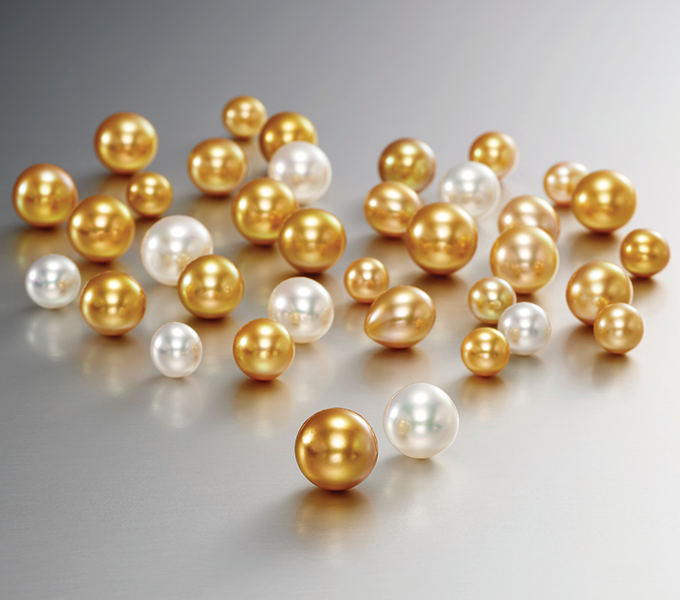
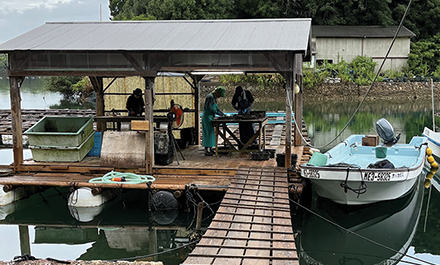
Rio Pearl specialises in resplendent white and golden South Sea pearls, which are grown in its farms off the pristine waters of the Mergui Archipelagos in Myanmar.
“Various factors including politics, tariffs and gold prices are affecting the jewellery business,” noted Lee. “By comparison, we are seeing a steady rise in price and demand at our auctions.”
While the surge in gold prices also impacted Rio Pearl’s jewellery business, its pearls continued to enjoy steady demand. Lee also observed changes in buying behaviour and preferences.
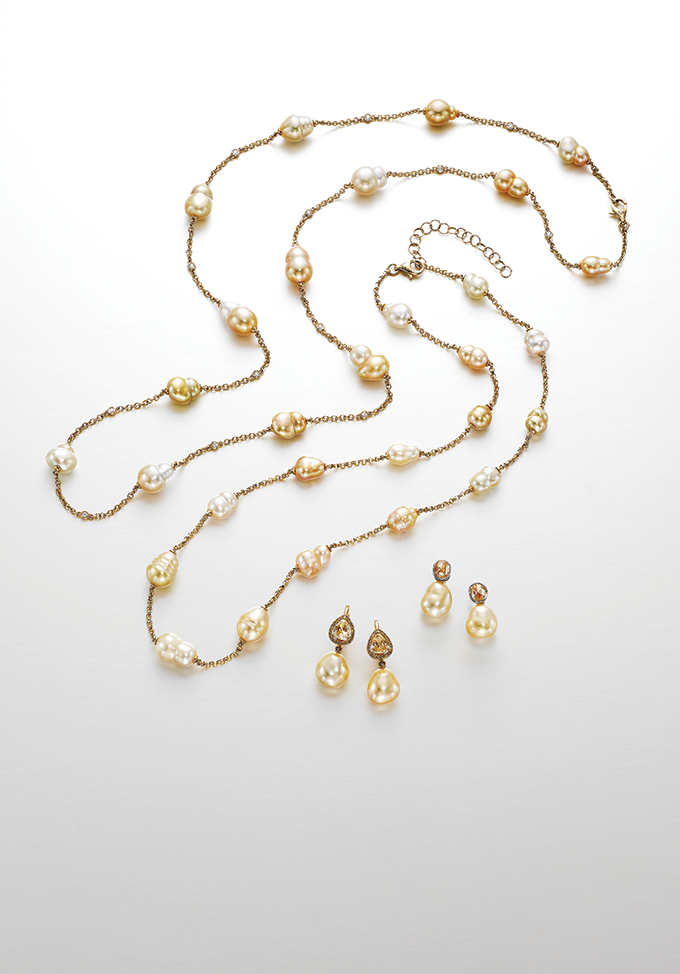
“Clients seem to be shifting away from traditional large pieces to pearl strands in varying lengths and sizes, challenging the perception of pearls as heirlooms or old-fashioned gems. Pearls continue to sell but buyers are on the lookout for something different,” he continued.
Asian buyers
White South Sea pearls are making waves in the pearl trade, which Lee attributed to soaring demand from Asia. This was particularly evident at Rio Pearl’s auctions in Hong Kong and China where sales are driven primarily by buyers from Japan, China and Southeast Asia.
There is also a noticeable uptrend in the prices of commercial-quality pearls or those falling under the medium to medium-low grade range.
Lee explained that pearls are increasingly being viewed as a “must-have” in consumers’ jewellery collections, which further supports the unprecedented rise in demand for pearl strands. Known brands marketing such products or celebrities adorning themselves with pearl strands could be contributing to this trend, too.
“High-quality strands can be very expensive, so jewellers can offer more accessible price points by using commercial-grade pearls,” explained Lee. “Medium to medium-low quality pearls offer trendy, versatile everyday options that are easy to style and wear.”
Baroque and Keshi pearls are likewise gaining traction in today’s market, mainly due to their modern appeal. These pearls – a stark contrast from classic rounds – stand out, especially now that buyers are increasingly seeking unconventional designs.
The captivating individuality of baroque and Keshi pearls creates compelling design opportunities across both luxury and accessible jewellery segments. According to Lee, these pearls’ imperfections and organic appearance give them a distinctive edge in the market.
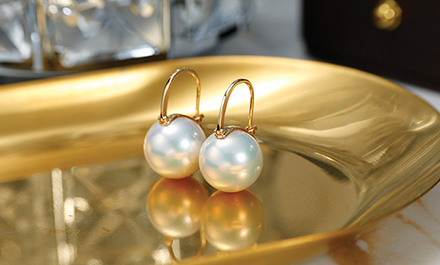
Of course, top-tier pearls, especially clean, round white and golden South Sea pearls, have a steady following and are highly favoured by affluent buyers, stated Lee.
Pearl farming
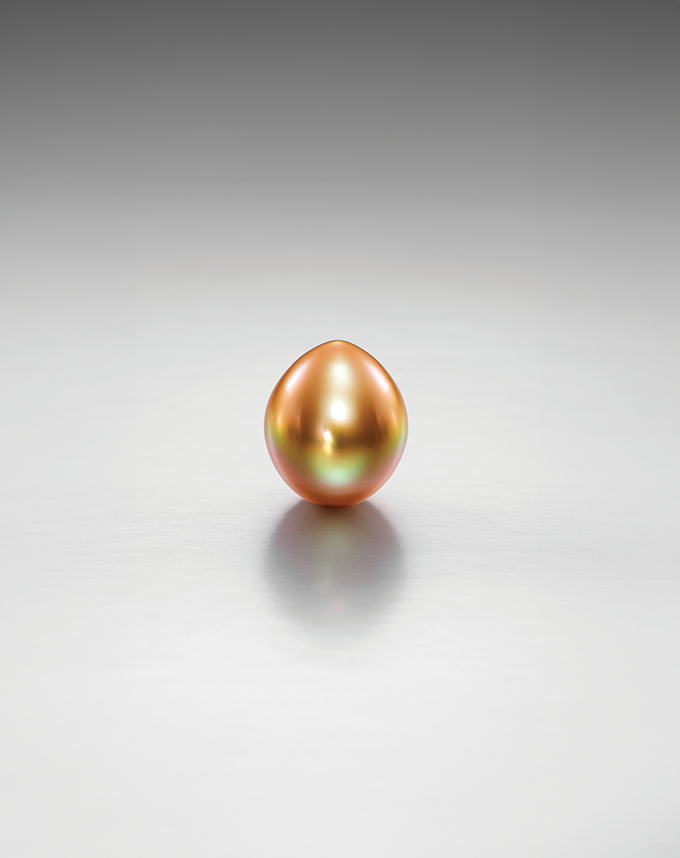
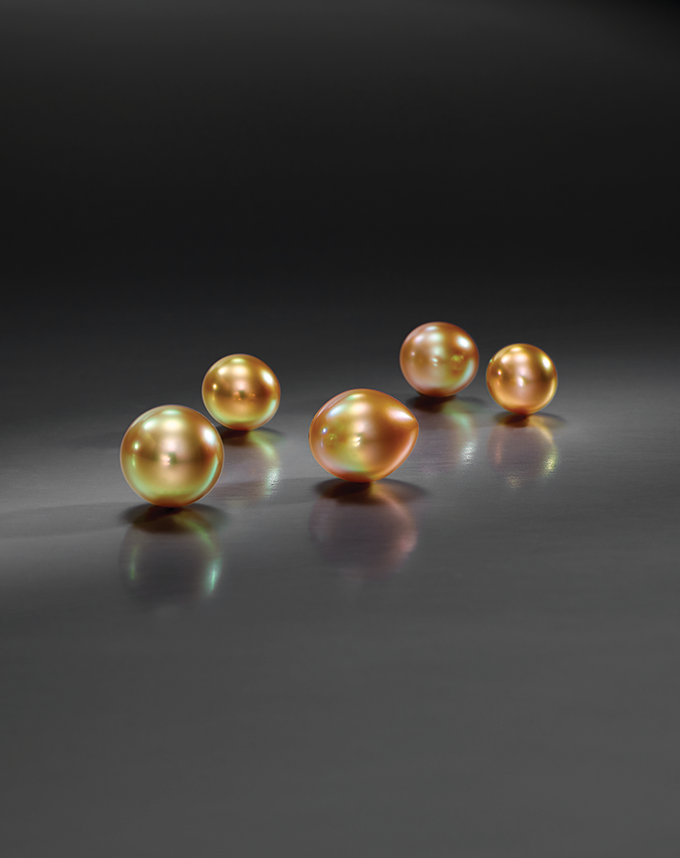
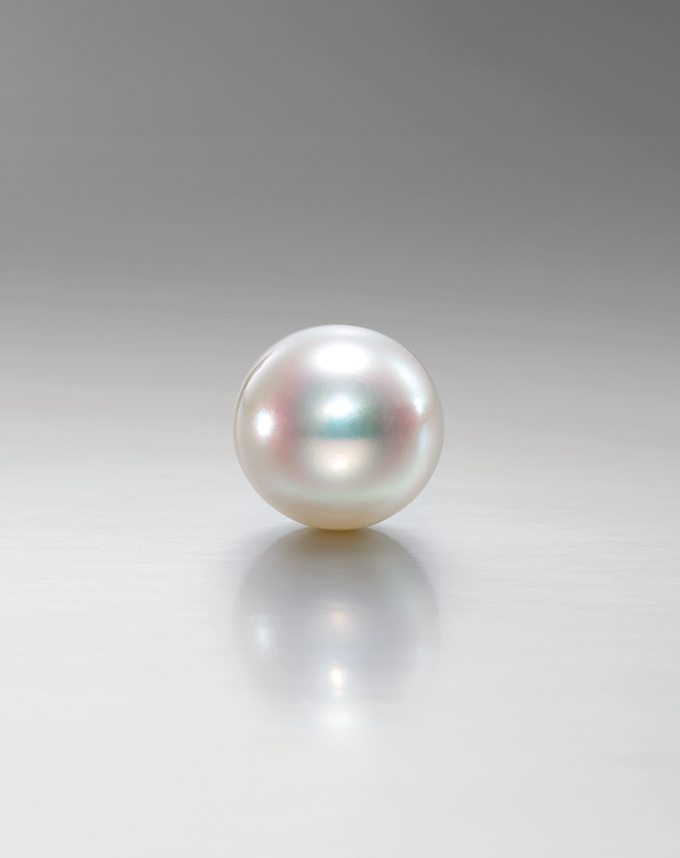
Rio Pearl remains at the forefront of innovations in pearl cultivation. The pearl specialist earlier unveiled two revolutionary products: The Rainbow Gold South Sea pearls and M White South Sea pearls. Both are produced in Rio Pearl’s farms in Myanmar.
Rainbow Gold displays mesmerising shades of red, pink and green while M White South Sea is Myanmar’s first top-quality white South Sea pearl.
According to Lee, the company is focused on upgrading the quality and appearance of Rainbow Gold and M White South Sea.
“We have seen the overall quality of our gold pearls improve, particularly in terms of colour. We are producing more rainbow gold pearls than before,” he revealed. “Additionally, continuous research and development on our white South Sea pearls are ongoing, with significant progress made so far in terms of colour and lustre.”
Rio Pearl earlier said it plans to achieve a 50 per cent yield of white pearls in its annual production and ultimately, a balanced harvest colour ratio of 50 per cent gold and 50 per cent white.
“Our current production ratio is 65 per cent gold to 35 per cent white pearls, shifting to an even 50-50 split next year,” he noted. “Maintaining a balanced ratio is crucial as it enables us to offer a broader product range to our customers, thereby capturing a larger market share. There is also a wider client base around the world for white pearls.”
Moving forward, Rio Pearl will continue to champion pearls as inherently sustainable gemstones, cultivated through eco-conscious farming practices. This also strikes a chord with today’s younger buyers who place a premium on responsible sourcing.
“As sustainable luxury gains popularity among millennials and Gen Z, we aim to shift perceptions, moving beyond viewing pearls as solely ‘classic’ or ‘formal’ to showcase their versatility across various styles, genders and lifestyles,” noted Lee.