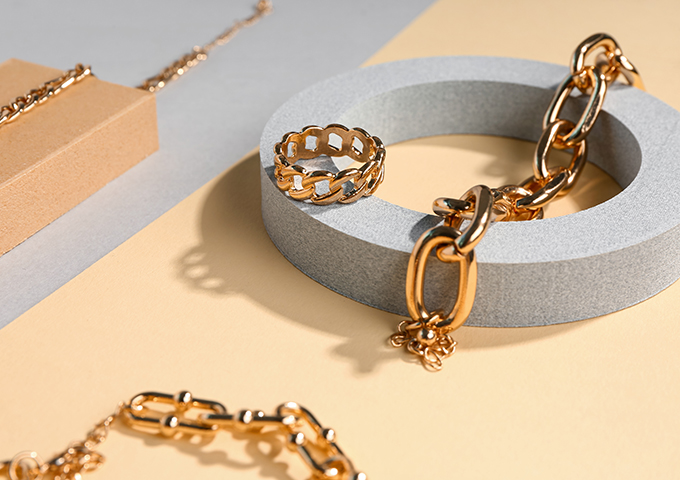
Gold jewellery may have become less affordable, but demand in value terms still increased in 2025 – demonstrating the precious metal’s enduring appeal as a luxury item and store of value.
According to the World Gold Council’s (WGC) Gold Demand Trends 2025, gold jewellery demand in volume and value measures deviated sharply during the year in review.
Annual consumption fell 18 per cent to a five-year low of 1,542 tonnes, with markets across the globe experiencing declines largely due to gold’s multiple all-time highs throughout 2025.
In contrast, demand value was up 18 per cent to a record US$172 billion.
“The remarkable gold price rise in 2025 inevitably imposed affordability constraints on jewellery consumers the world over. It did not, however, stifle consumer appetite for jewellery – as evidenced by the sharp jump in demand value during the year, with consumers spending a larger share of wallet on gold,” the report said.
Consumption in two of the biggest gold jewellery markets in the world was lacklustre: India saw a 24 per cent dip to 430t while in China, demand was down 25 per cent to 360t. Interestingly, consumers continued to prioritise gold jewellery, allocating a larger share of their spending to it. This reflects a strong appetite for gold as a desirable and valuable asset.
Gold in China
WGC said 2025 was a weak year for Chinese gold jewellery demand. Volume-wise, demand sank to its lowest for more than 15 years as VAT reform, a vapid economy and a late Chinese New Year compounded the impact of record-high gold prices.
Collective annual spending on gold jewellery, however, reached US$39 billion, up 8 per cent year on year – the second highest on record behind the US$43 billion from 2013.
Consumers opted for more affordable options like lightweight Hard Pure gold jewellery, which appealed to younger buyers and remained profitable for retailers. Meanwhile, demand for high-ticket items, such as chunky heritage gold pieces sold in boutique stores, demonstrated resilience in the premium market.
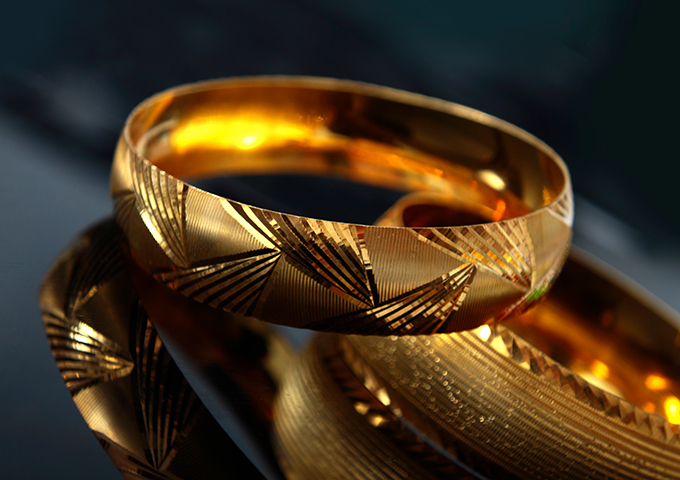
Trade-ins, where old jewellery is exchanged for new pieces with additional labour charge, was a popular strategy to navigate affordability challenges in 2025 and is viewed as a positive sign of elevated consumer interest in gold jewellery.
However, affordability is expected to remain a key constraint in 2026, with the recent VAT reform likely driving investment-focused consumers toward bullion.
Hard Pure gold jewellery is poised to retain its appeal, while high-end craftsmanship and themed designs are expected to attract younger buyers. Q1 demand may see a boost from seasonal factors, including retailer restocking in January, delayed Chinese New Year purchases in February and wedding-related buying.
Investment appeal
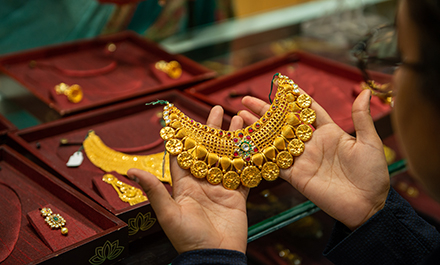
Festival- and wedding-related buying boosted Q4 Indian jewellery sales, but demand dropped sharply year on year on record gold prices. In value terms, a record US$19 billion was spent on gold jewellery in Q4, taking the annual total to an unprecedented US$49 billion.
Sentiment towards gold jewellery remains strong in India, but consumers typically have fixed budgets for such spending, and this dictates how much gold they can buy – particularly given the 74 per cent local gold price rise over the year.
Demand benefited from advance wedding-related buying in October as consumers took advantage of a gold price dip during the month, but sales subsequently moderated as prices soared anew.
“While 14-karat gold jewellery gained some traction – particularly among the younger demographic in northern urban centres – swathes of the country remained reluctant to accept lower-karat jewellery as it dilutes a key reason for holding it: Long-term capital preservation,” said WGC.
Gold jewellery exchange remains a key trend too, as does the increasing monetisation of gold jewellery, the report further revealed.