AIGS is playing a pivotal role in shaping the future of the coloured gemstone trade by seeking to harmonise standards, modernising educational initiatives and fostering global collaboration.
This article first appeared in GEMSWORLD 2026.
The absence of a unified global colour standard remains a persistent challenge for the coloured gemstone trade, according to the Asian Institute of Gemological Sciences (AIGS).
Coloured stones exist in a far more complex and subjective spectrum than diamonds, which have clear internationally accepted grading systems, noted AIGS Chairman Kennedy Ho.
“Colour perception varies widely, depending on lighting conditions, geographic environment and even the physiological nuances of the individual gemmologist’s eyesight, among other factors," he explained. “These inconsistencies inevitably influence colour reporting, market valuation and consumer confidence.”
While gemmological laboratories worldwide strive to adhere to similar principles, the interpretation of colour, treatment and origin still varies substantially from one lab to another. This lack of uniformity complicates communication in a rapidly growing coloured gemstone market.
Harmonising interpretations and establishing precise, shared standards must be a priority, said Ho, adding that a unified approach would not only enhance transparency but also bolster trust among traders, collectors and consumers.
Gem testing
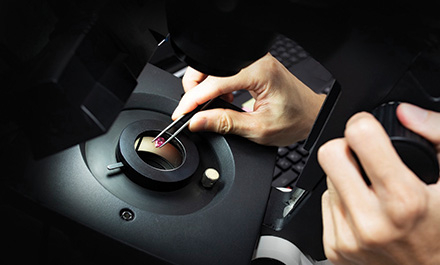
AIGS leverages its testing services to gain valuable insights into market trends. While it receives a high volume of rubies, sapphires and emeralds, Ho has observed a marked increase in spinel submissions. This trend reflects both heightened market demand and the gemstone’s rising profile among collectors and traders.
Colour quality, origin determination and treatment status are clients' primary concerns across all gemstone categories. The distinction between heated and unheated stones is particularly crucial, especially in the upper segments of the market where provenance exerts a direct influence on price.
Ho remarked, “Consumer appetite for reliable origin reporting remains strong, reaffirming its role as a major value driver in the global trade.”
Most of the treated stones examined by AIGS in 2025 reflected long-established enhancement techniques, notably heat treatment and beryllium diffusion.
Although no entirely new treatments have emerged, the institute continually monitors market practices, disclosure behaviour and evolving treatment signatures.
Transparency in enhancement reporting is central to maintaining trust across the supply chain, Ho asserted.
AIGS also raises the standard of gemmological education by combining rigorous academic instruction with meaningful community engagement and practical industry exposure.
Its Accredited Gemologist Diploma Programme, which attracts the greatest student interest, features core modules such as Synthetic and Treated Gem Identification as well as Coloured Stones Grading and Pricing, complemented by hands-on practical exercises.
Students are also exposed to real-world gemmological practice through access to the AIGS Sample Gemstone Room, guided sessions in the AIGS Laboratory and Machine Room, and field-based experiences such as market visits, factory tours for cutting and heat treatment, and excursions to mines and museums.
Institutional achievements
The year 2025 was filled with significant milestones for AIGS, particularly in the areas of education and collaboration.
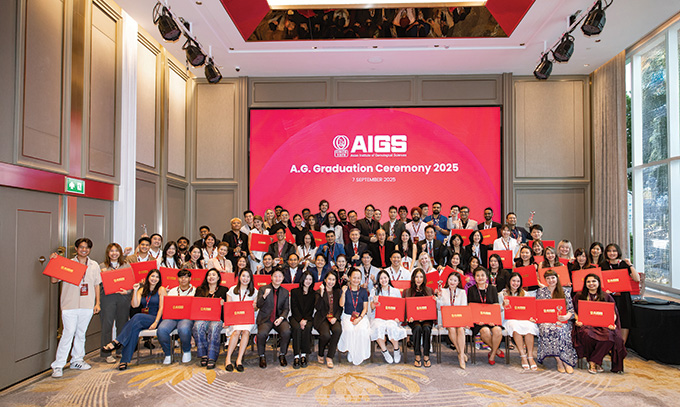
Aside from holding the Accredited Gemologist Graduation Ceremony for students who completed their studies from 2019 to 2025, it organised its first official Alumni Connect gathering for graduates from 1978 to 2025. The institute also launched the AIGS Alumni Connector Programme, which offers graduates structured networking opportunities, professional support and ongoing engagement with the global AIGS community.
Ho said, “Through initiatives such as Alumni Connector, expanded field programmes and ongoing curriculum development, we aim to shape a dynamic, globally connected generation of future gemmologists.”
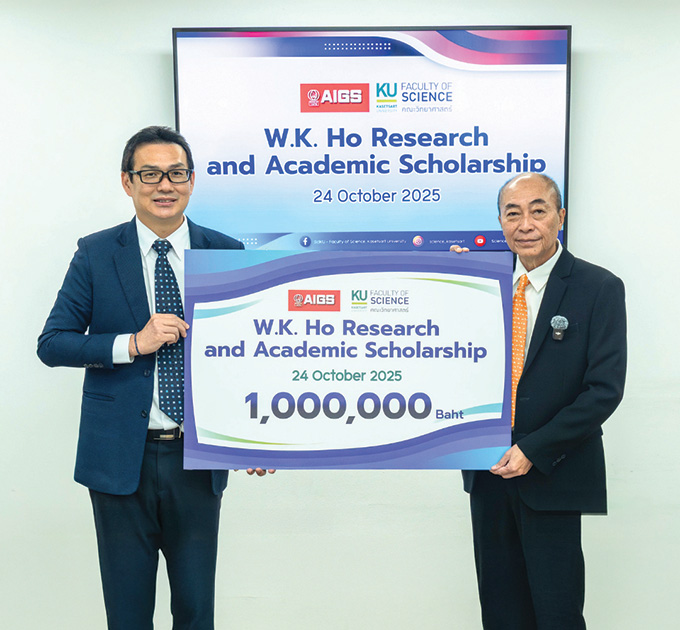
Partnerships with Kasetsart University and Shanghai Jian Qiao University strengthened research cooperation, academic exchange and international visibility.
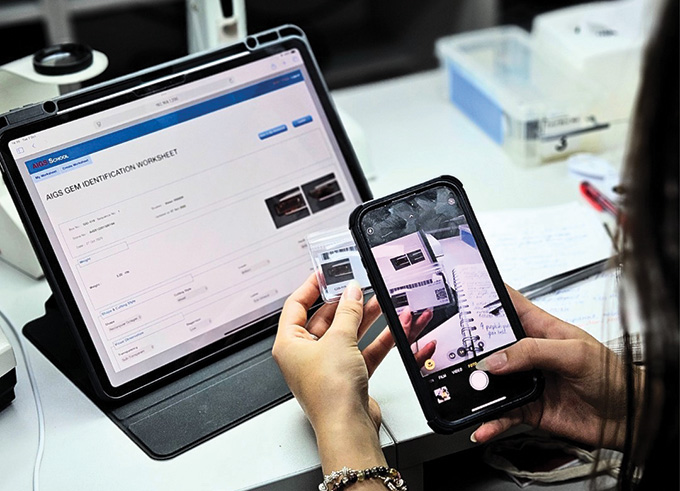
AIGS transitioned to a digital iPad-based learning environment as well. It modernised its classrooms by replacing paper worksheets with interactive digital tools, aligning education with contemporary laboratory workflows and supporting more sustainable practices. Course content, master sets, colour charts and gem ID charts were likewise revised and enhanced to incorporate the latest scientific and market developments.
Looking ahead, AIGS is intent on exploring opportunities to expand its global footprint and enhance its laboratory and educational capabilities. According to Ho, innovation and deeper industry connections will drive the institute’s growth in the coming years.