The coloured gemstone trade is on the cusp of transformation, shaped by rising demand for colour and individuality, sustained appetite for opulent gems and the emergence of new, affluent markets.
This article first appeared in GEMSWORLD 2026.
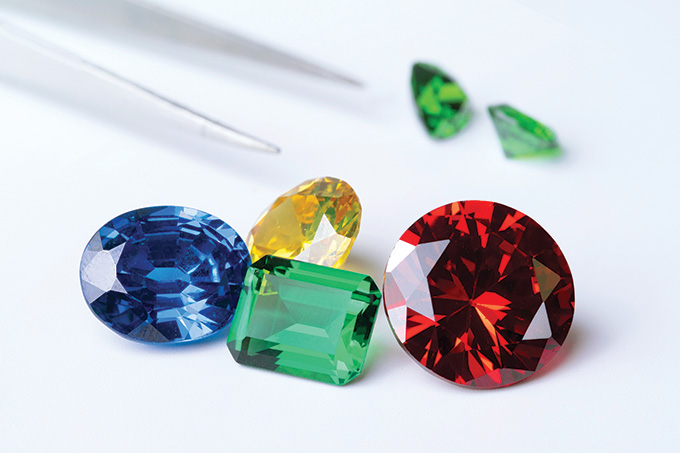
In the vast and highly complex world of jewellery and gemstones, colour now symbolises vigour and vitality more strongly than ever. Consumers are choosing colour, and in the gem trade, the enduring allure of rubies, sapphires and emeralds is driving robust demand for gems of exceptional quality and verified provenance.
Dealers are also looking to inject stability in their inventories, venturing into coloured gems as difficulties prevail in the natural diamond business. Meanwhile, high jewellers increasingly incorporating top gems in their collections are further fuelling consumer appetite and cementing coloured gems’ status as luxury items.
Other gems are also growth contributors. Apart from the Big Three, these are expected to gain momentum in 2026 while new markets such as India and the Middle East could also support growth.
Amid ongoing headwinds such as supply constraints, hefty US tariffs and political and economic instability, the gem trade has reinforced its long-term potential, signalling a resilient and stable future.
Shifting landscapes
Gemstone traders are pointing to a growing interest in colour as a potential catalyst for growth. According to Damien Cody, president of the International Colored Gemstone Association (ICA) and director of Cody Opal (Australia) Pty Ltd, this shift towards coloured gems is driven by multiple factors.
He said a good deal of it is coming from the diamond segment, which has probably reduced in size over time with the influx of lab-grown diamonds and the impact it has had on prices.
“It can be consumer-driven too, but a lot of it is led by retailers possibly looking for a more stable product in their inventory line that will produce more reliable profit outlooks. That is certainly a big part of it,” revealed Cody.
The gem sector improved notably in 2025, coming from a subdued environment marked by political, economic and social instability across the globe, remarked Elena Basaglia, head of Partnerships and Product – Downstream at Gemfields.
This resilience amid adversity stems from several factors, led by a growing trend towards individuality, with traceability and transparency becoming core components of modern luxury.
High jewellery maisons featuring coloured gems in increasingly more creative ways in their collections are also key to sustaining consumer appetite, noted Basaglia.
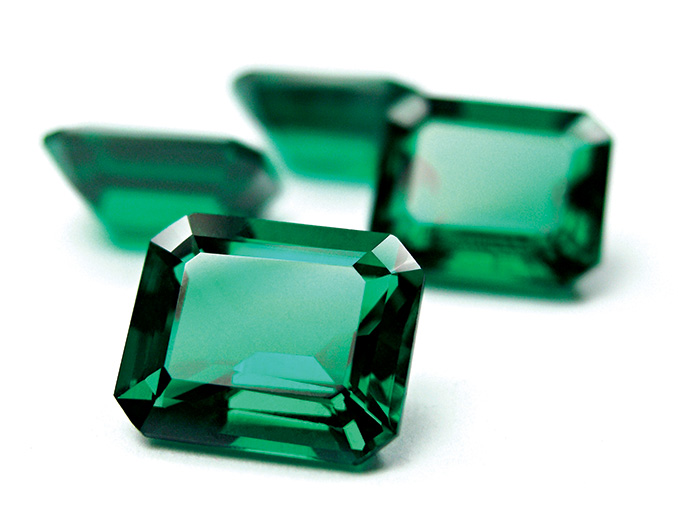
Demand for fine-quality, traceable coloured gems remains solid, based on results of Gemfields’ Zambian emerald and Mozambique ruby auctions, especially in the second half of 2025.
“The strong attendance, competitive bidding and robust prices generally achieved at our auctions reflect a renewed sense of optimism across the market,” shared Basaglia. “Despite US tariffs and broader market uncertainties, the auctions indicate strong demand for responsibly mined coloured gemstones.”
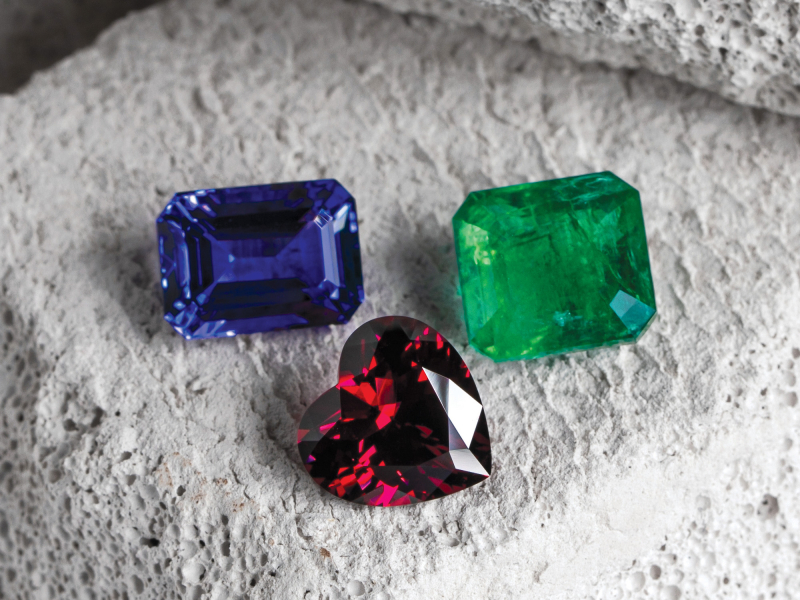
Cody agreed, adding that the top-performing gemstones of 2025 were very rare natural and unheated gems of the highest quality, led by rubies, sapphires and no-oil emeralds. Other highly sought-after gems were Paraiba tourmaline from Brazil and top-quality alexandrite.
Daniel Assaf, owner of New York-based Tsavorite Factory, said coloured gemstone melee or small, precision-cut rounds below 3mm were in high demand, driven by brands and designers seeking exotic colours for pavé jewellery and watches.
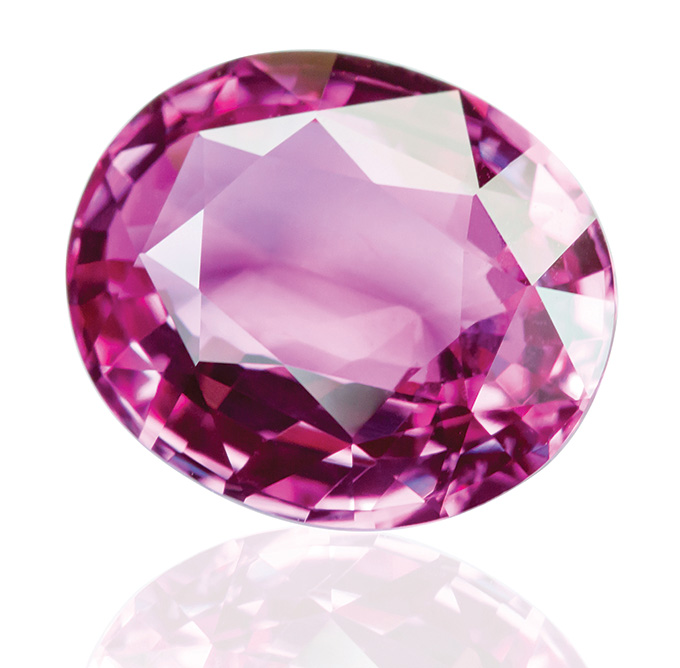
His company witnessed strong interest in pink, grey and red spinel, tsavorite and mandarin garnet and other more obscure colours like Malaya garnet. Chinese buyers, meanwhile, were partial to hot pink Mahenge spinel and mint garnet of 1 carat and up. This was mainly the case for top-quality gems though, he added.
“Some stones appreciated in value. For instance, aquamarine bearing vivid colours, as well as rubellite and pink, blue green and lagoon tourmaline all increased in demand and value in 2025,” Assaf said.
Tariffs
The introduction of tariffs in the US – a major jewellery and gemstone market – led to a great deal of uncertainty, which has dented exports but not jewellery consumption in America.
“Americans are still buying jewellery,” revealed Cody. “But gemstone importation has slowed dramatically. Right now, companies are using existing inventories in America and that will not last forever.”
As such, supply of gemstones to the US is expected to improve in 2026 despite the tariffs as inventories start to be utilised.
Countries facing hefty tariffs are less likely to export gems to America, which presents trade opportunities for other gemstone sources such as Australia, Europe and those that have negotiated a bilateral agreement with the US for zero or lower tariffs.
“Unfortunately, most of the major gem producers like India, Thailand, Brazil and Sri Lanka have quite high tariffs that will need to be negotiated,” added Cody.
He said the US government had announced that all coloured gemstones will fall under an “Annex 3” classification for goods that the US cannot mine or naturally produce and will therefore be exempt from tariffs provided the source country has negotiated a bilateral trade agreement.
ICA, he added, supports efforts to ensure that gemstones are either tariff-free or with Annex 3 provisions. “We encourage ICA members to ensure that industry bodies within their country are talking with local trade representatives to recognise that by negotiating a bilateral agreement, their gemstone exports to the US could be tariff-free,” he explained.
As a US-based company, Tsavorite Factory is paying high tariffs on imported coloured gems. Assaf explained that for the time being, he only imports stones that have been ordered or sold.
“As an American gemstone company, importing stones and paying duties for a business that sells internationally does not make sense, given the high probability that the stones will eventually be sold in Europe or Asia,” he noted. “In that case, what was the point of paying US duties initially if it only makes you less competitive on the world stage?”
Tight supply of high-quality gems with traceable provenance is another challenge faced by traders. Basaglia said coloured gemstone production is naturally erratic and despite Gemfields’ geological expertise, output fluctuates significantly.
The miner identifies over 300 grades of emeralds at the Kagem mine in Zambia and more than 500 grades of rubies at Montepuez Ruby Mining (MRM) in Mozambique.
“However, only a small percentage of these – the finest ones – drive demand and generate significant revenues for the mines,” she added.
New markets, new business
Given tariff-driven uncertainties, some gemstone companies are eyeing to expand their reach into other countries and regions so as to not be heavily reliant on the US. These are not necessarily new or emerging markets but destinations that companies were not focusing on previously, explained Cody.
Europe, Southeast Asia and the Middle East are on the radar of gemstone suppliers. Emerging countries like India and China present opportunities too but they are less dependent on gem imports, which is a barrier to success.
The Middle East, for instance, is a large market that is generally interested in higher-end goods, especially emerald, sapphire and ruby. “There is a need for promotion and education about the many other beautiful coloured gems available that currently do not enjoy much market share in the Middle East, but there is a lot of potential there,” explained Cody.
There are also some signs of positivity and good reasons to be optimistic about 2026.
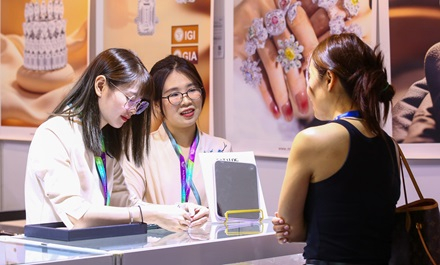
Jewellery & Gem WORLD Hong Kong in September 2025 was positive in terms of attendance and buyer appetite, with the ICA pavilion having been busy and traders upbeat. This could present early signs of growth while better economic outlook in larger consumer economies could help drive demand for luxury products, said Cody.
But there are challenges too. “They come and go all the time, so we have to hope for more stability – a world that is free of conflict and trade wars, or finalised trade negotiations because that is where demand for coloured gems will truly thrive,” he noted.
Assaf, for his part, said gemstone trends over the past few years have inspired customers to be more discerning about the quality of the cut and the overall superiority of the gem. “Cutting quality and proportions have become more important now than ever, and medium- and commercial-quality stones will be harder to sell going forward,” he continued.
In the area of gemstone mining, Basaglia said Gemfields has invested in the redevelopment and improvement of some key parts of its operations over the years.
The company has poured US$70 million in the construction of a second processing plant at MRM, which is expected to triple production while the wash plant at Kagem mine has been upgraded, enabling Gemfields to process higher quantities of emerald-bearing ore.
“These investments are expected to contribute significantly to Gemfields' ability to bring a stable supply of responsibly mined emeralds and rubies to market,” she added.