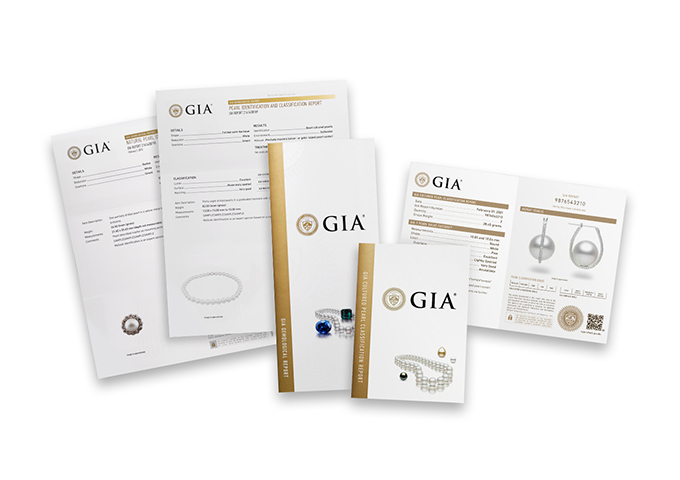
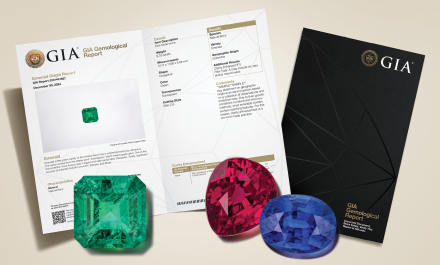
The Gemological Institute of America (GIA) is ramping up its pearl strategy to meet evolving market demand for more extensive reports and services.
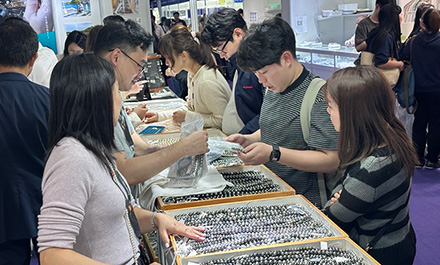
The institute is offering a wide range of services and activities that cater to the pearl sector at ongoing international trade shows in Hong Kong.
According to Cecilia Fong, senior director, APAC Market Development & Strategy at GIA, interactive pearl experiences await visitors at the Hong Kong International Jewellery Show where they can compare natural and cultured pearls, learn essential gemmological identification techniques and gain deeper insight into GIA Pearl Reports.
They can also view rare and unique pearl specimens specially selected from the GIA Museum and brought to the show, experiencing the full story of pearls from a “sea to identification” pathway.
GIA earlier refined its 7 Pearl Value Factors™ system with an upgraded nacre evaluation method that replaces the old “Acceptable/Unacceptable” scale. The new system, developed through extensive sample studies, grades nacre across five levels – Excellent, Very Good, Good, Fair and Poor – to better reflect layering, continuity and durability.
According to GIA, this update offers a more precise and trade-aligned assessment of nacre quality, which directly influences a pearl’s shape and lustre.
Moving forward
GIA continues to be at the forefront of innovation. The institute relies on strong relationships with the trade and the vast number of gems it analyses to stay ahead of advancements in treatments and emergence of new materials.
“Vigilance has always been a priority for GIA,” explained Fong. “Through our extensive research programme, which includes in-house treatment and gemstone synthesis experiments, as well as our state-of-the-art analytical tools and experienced experts, we are confident in our ability to meet today’s challenges.”
Ongoing volatility in tariffs and metal prices, conflicts and economic pressures are but a few of such challenges. However, gems and jewellery, across various price points, continue to hold strong cultural and societal significance across markets, the GIA official said.
“Demand and desire for them persists,” remarked Fong. “Consumers are shifting toward quality – again, across different price ranges – and design. We also see the secondary market expanding and evolving.”
Click here for more stories from JNA's March Show Daily 2026