The jewellery auction landscape is undergoing a transformative shift, driven by the rising participation of Gen Zs and millennials. Their growing influence signals a profound and lasting change that will redefine the future of the jewellery market – reshaping values, trends and dynamics for generations to come.
This article first appeared in the JNA March/April 2026 issue.
Gen Z and millennial bidders are becoming a familiar sight in auction salesrooms, going after rare gemstones, contemporary jewellery designs and even vintage pieces. Thanks to digital platforms, it has become far easier for them to get involved, making auctions more accessible and appealing to a younger crowd.
What started as a quick fix during the Covid-19 pandemic has now turned into a key component of auctioneers’ growth strategies, with a focus on keeping these tech-savvy buyers engaged through an increasingly more dynamic digital presence.
Millennials, who are now in their 30s and 40s, and Gen Zs, ranging from their teens to late 20s, are shaking up the luxury jewellery auction scene. And they are all about individuality, meaningful stories behind the pieces and smart investments, bringing a fresh energy and perspective to the market.
The new collector
Younger clients represented 44 per cent of bidders across luxury categories at Christie’s in 2025, up from 41 per cent in 2024, demonstrating sustained growth in participation throughout the years, according to Belinda Yuen, a Jewellery Department specialist at Christie’s APAC (Asia Pacific).
Jewellery is an accessible entry point for these buyers. In 2025, Christie’s global jewellery auction sales – across live and online events – achieved US$518 million, with US$128 million generated in Asia.
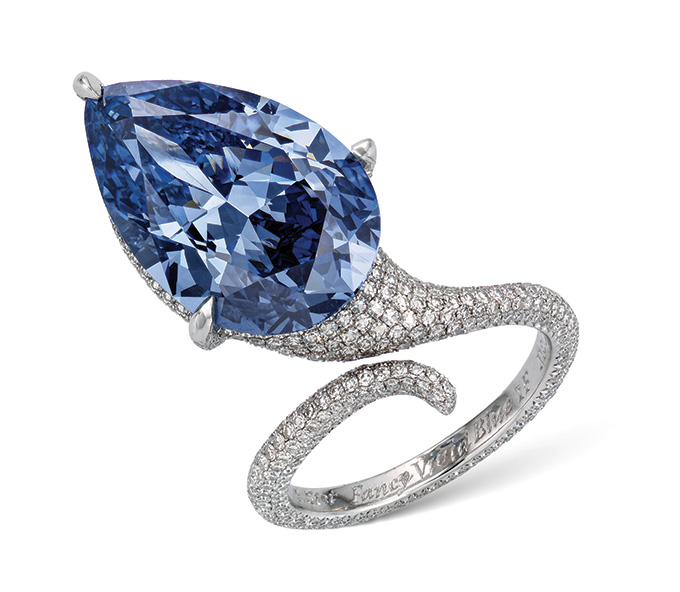
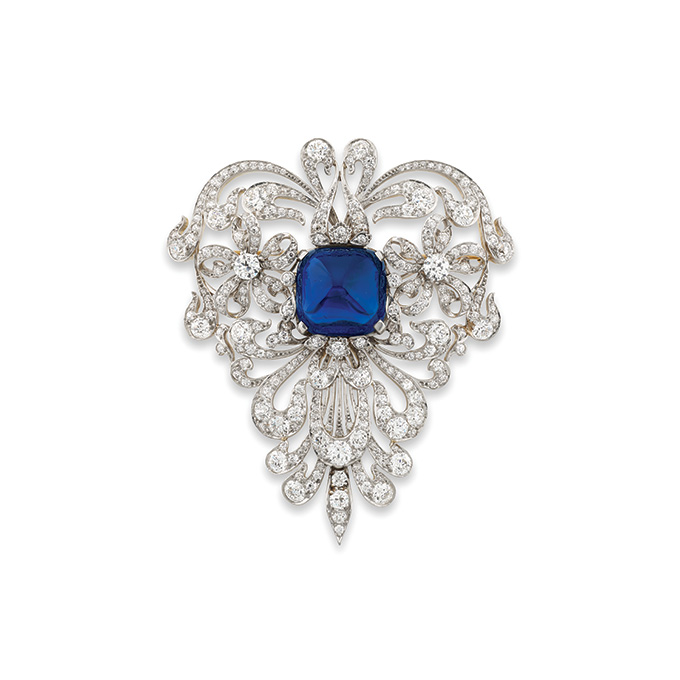
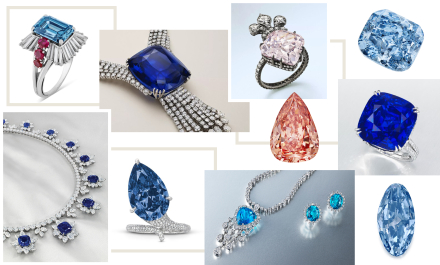
APAC accounted for 30 per cent of global new buyer auction spend and 40 per cent of global millennial/Gen Z auction spend in 2025, with Hong Kong, China and Taiwan as leading buying markets in APAC at Christie’s global auctions. Rare gems like emeralds, rubies, sapphires and Paraiba tourmalines resonate with younger generations who are drawn to striking visual impact while signed vintage pieces from renowned maisons offer rich cultural and historical narratives that appeal to young collectors who value authenticity, heritage and design legacy, shared Yuen. They also favour contemporary designs.
“Jewellery featuring compelling storytelling, exceptional craftsmanship or notable celebrity provenance attracts significant interest from young collectors who tend to appreciate modern aesthetics paired with uniqueness and artistic intent,” she added.
Uni Kim, head of Sale, High Jewelry at Sotheby’s Asia, likewise noted a steady increase in participation from Gen Z and millennial collectors, who are mainly entrepreneurs, professionals in specialised fields or next-generation members of established families.
“Younger clients are well-educated, digitally fluent and highly self-directed in their research,” explained Kim. “They value individuality and pieces with strong design identity or compelling provenance – whether vintage, contemporary or featuring rare gemstones. Their approach is informed, purposeful and guided by personal taste, driven by data rather than convention.”
Shanne Ng, senior specialist at Phillips Jewels, noted that younger buyers often see jewellery as an investment and a way to diversify their portfolio, with resale value becoming more important. “Our sales results over the past four years show that fine natural diamonds and rare gemstones – especially sapphires, emeralds and rubies – hold strong appeal among younger demographics,” she added.
From 2021 to 2025, young collectors in Phillips’ client base expanded by 90 per cent while their purchasing activity increased by 84 per cent, revealed Ng.
Younger bidders also approach luxury jewellery purchases differently compared to more experienced and traditional collectors.
Ng explained that young people embrace digital platforms, social media and virtual bidding because these are more accessible, transparent and aligned with their lifestyles. Jewellery, for them, is both for self-expression and investment while older collectors prioritise heritage, prestige and heirloom value, hence their penchant for iconic maisons and museum-quality pieces. They also rely more on traditional in-person auctions.
Kim agreed, adding that both generations share a passion for connoisseurship. However, younger collectors tend to approach jewellery within a broader lifestyle and aesthetic context.
“Many collect across multiple categories – art, design, fashion, which naturally influences their jewellery preferences,” she noted. “They are inspired by an array of online sources that shape personalised tastes through digital discovery. Nevertheless, their appreciation for craftsmanship and trusted brands remains constant.”
According to Yuen, traditional collectors value provenance alongside long-standing relationships with specialists and building comprehensive collections within specific categories.
By comparison, next-gen collectors are investment-focused, often eyeing rare gems and jewellery with storytelling or cultural significance. They also primarily use online channels, enabling faster decision-making.
Digital-first lifestyle
Ng of Phillips said online platforms and virtual auctions significantly boosted younger buyers’ involvement in luxury jewellery auctions. Convenience, transparency and social media exposure transformed auctions from elite events into interactive experiences that resonate with Gen Zs and millennials, she continued.
Specifically, digital platforms have streamlined the bidding process, allowing clients to view auction items, request condition reports, submit works for valuation and speak to specialists, among others, all in one channel.
Kim of Sotheby’s observed that younger collectors are entirely comfortable operating in digital environments as they embrace the convenience, transparency and immediacy of platforms like Sotheby’s BuyNow marketplace.
“Their curiosity to explore new formats and technologies continues to drive engagement and participation, including consignment requests that are submitted through our website,” remarked Kim.
Digital platforms are also instrumental in attracting younger buyers at Christie’s, with 85 per cent of luxury bids placed online in 2025, revealed Yuen. These platforms have expanded access and empowered younger collectors to explore and participate in auctions, making online the primary access point for new luxury buyers at Christie’s.
In 2025, 75 per cent of new luxury buyers entered through online sales, highlighting how seamless mobile experiences and on-demand access are lowering barriers for younger demographics.
Christie’s has embraced digital innovation to cater to this audience, integrating hybrid salesrooms, livestreaming, mobile bidding and enriched online catalogues to enhance accessibility and global participation.
This strategy has driven significant growth, with 41 per cent of new bidders entering through the luxury category in 2025. Key initiatives include prioritising mobile-friendly platforms, cross-category marketing of jewellery alongside other luxury items, educational content to empower first-time buyers, and a strong regional focus on APAC, where younger Asian collectors accounted for 37 per cent of global luxury sales in 2025, with spending up 2 per cent year over year.
A new future
Moving forward, Ng said Phillips will continue to modernise through digital tools, social media and lifestyle-driven branding to attract younger buyers, while tackling challenges of exclusivity, trust and education through transparency and innovative engagement strategies.
She said Gen Zs and millennials are transforming jewellery auctions into a more inclusive, tech-enabled and investment-oriented marketplace – a shift that ensures this segment remains relevant, competitive and culturally resonant.
“While cultural and economic factors like social media trends and inflation accelerate participation, the underlying drivers – economic clout, digital fluency and values-based consumption – point to a lasting generational shift in luxury jewellery auctions,” noted Ng.
Kim of Sotheby’s raised the importance of creating content that is both personal and educational to support a vibrant digital presence. For instance, Sotheby’s social media posts that use an authentic and conversational tone has the strongest viewer resonance.
“The main challenge lies in sustaining attention in a fast-paced digital environment, which we address by offering fresh, visually led content (videos, articles) and seamless online access to information,” she added.
For Yuen of Christie’s, millennials and Gen Zs will likely shape the future of the auction market through stronger demand for rare gems and vintage signed pieces; higher engagement in online and hybrid auction formats; and greater bidding activity during live luxury weeks in key hubs like Hong Kong and New York.
There will also be a bigger focus on ethical sourcing and sustainability, which reflect generational values, while jewellery is expected to remain one of the fastest-growing starting points for new collectors.
“Younger buyers’ growing interest in luxury jewellery auctions signifies a long-term structural shift rather than a transient trend. Their preferences and purchasing behaviours will continue to shape the market, driving innovation and growth in the jewellery segment,” shared Yuen.